

A home’s exterior is constantly exposed to environmental conditions that can affect its appearance and structural protection. Siding serves as an important protective layer, helping shield exterior walls from moisture, sunlight, and everyday weather exposure. In Austin, intense summer heat, changing temperatures, and seasonal rainfall make material selection and proper installation especially important. Long-term results require thoughtful preparation, suitable products, and attention to construction details.
- What Makes Residential Siding Installation Last Longer?
- Evaluate Exterior Wall Conditions Before Installation
- Choose Siding Materials That Suit Austin’s Climate
- Protect Exterior Walls Through Effective Moisture Management
- Follow Professional Installation Practices for Better Results
- Select a Qualified Installation Company and Plan the Project
- Maintain Your Siding to Support Long-Term Performance
- Conclusion
Before beginning an exterior improvement project, homeowners should understand the factors that influence siding performance. Hiring a professional for residential siding installation can help ensure that materials are properly fitted, secured, and protected against moisture intrusion. An experienced installer should assess the existing walls, identify potential concerns, and recommend materials appropriate for the home’s construction.
What Makes Residential Siding Installation Last Longer?
Long-lasting siding performance depends on more than the type of panels installed. The condition of the underlying walls, moisture management, fastening methods, and finishing details all contribute to the exterior’s durability.
A properly planned installation addresses these factors before the first panel is attached. This approach helps prevent avoidable issues such as uneven surfaces, loose siding, trapped moisture, and premature deterioration.
Homeowners should consider three essential elements:
- Material suitability: Choose products that match the home’s design, local weather conditions, and maintenance expectations.
- Installation accuracy: Follow manufacturer requirements for fastening, panel spacing, overlaps, and clearances.
- Moisture management: Provide appropriate water-resistive barriers, flashing, and drainage paths to help protect concealed wall components.
Together, these elements help the siding system maintain its appearance and protective function over time.
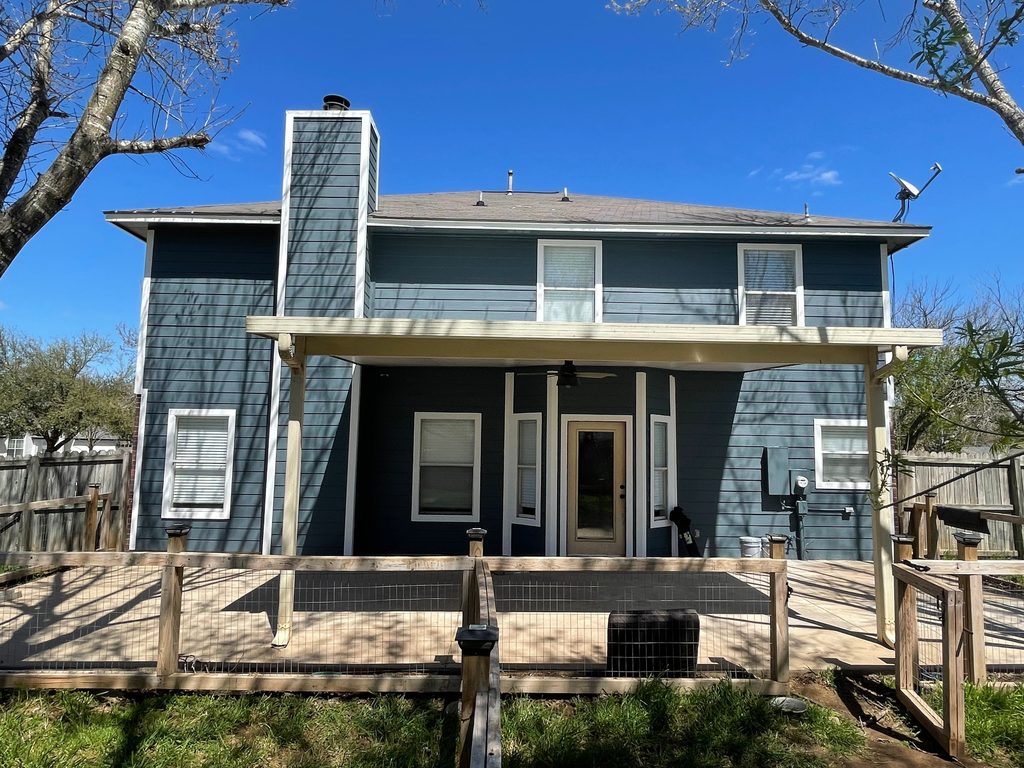
Evaluate Exterior Wall Conditions Before Installation
Start an exterior project with a detailed evaluation of the surfaces that will support the new siding. Even high-quality materials may perform poorly when installed over deteriorated sheathing, moisture-damaged wood, or uneven structural components.
Identify Existing Wall Problems
Removing old siding may reveal conditions that were not visible during the initial assessment. These can include soft sheathing, damaged trim, deteriorated flashing, or signs of previous water intrusion.
Investigate these problems before new materials cover the affected areas. Concealing existing damage can allow the underlying issue to continue. Homeowners planning siding installation in Austin, Texas, should discuss how the contractor will inspect exposed surfaces and handle unexpected findings.
Prepare a Stable Installation Surface
The supporting wall must provide an appropriate foundation for the selected siding system. Installers should evaluate sheathing condition, fastening locations, wall alignment, and transitions around windows and doors. For homeowners seeking professional guidance, a provider such as Genuine Texas Exterior can advise on preparation considerations for an exterior siding project.
Choose Siding Materials That Suit Austin’s Climate
Austin experiences prolonged summer heat, periods of humidity, and seasonal rainfall. These conditions make it important to evaluate how different siding materials respond to temperature changes, moisture, and sun exposure.
Rather than choosing based on appearance alone, homeowners should compare durability, maintenance needs, installation requirements, and overall project costs.
Fiber Cement Siding
Fiber cement is often considered for homes that need a durable exterior finish. It offers resistance to several common environmental challenges when installed and maintained according to manufacturer instructions. Its weight, cutting requirements, fastening specifications, and moisture-related clearances require careful installation.
Vinyl Siding
Vinyl siding is a relatively low-maintenance option and comes in various profiles and colors. However, installers must accommodate thermal expansion and contraction. Incorrect fastening or insufficient movement allowances may cause panels to buckle or distort.
Engineered Wood Siding
Engineered wood offers a traditional wood-like appearance with manufactured performance characteristics. Proper edge treatment, moisture protection, and fastening remain essential. Follow product-specific installation instructions for preparation and finishing.
When comparing siding in Austin, TX, homeowners should request material specifications and maintenance guidance rather than relying on appearance or initial pricing alone.’
Protect Exterior Walls Through Effective Moisture Management
Water management is one of the most important aspects of a reliable siding system. Rainwater can enter through joints, gaps, and wall penetrations. As a result, siding should not be treated as the home’s only defense against moisture.
The U.S. Department of Energy’s Building America guidance emphasizes the importance of a continuous drainage plane behind exterior cladding. This system helps direct water that passes the outer surface away from vulnerable wall components. A properly coordinated installation should address water-resistive barriers, flashing around openings, and drainage details at wall intersections.
Pay special attention to windows, exterior doors, roof connections, and utility penetrations. These areas contain transitions where incorrectly installed materials may create pathways for moisture. Contractors should also follow the relevant manufacturer’s instructions for sealants, joint treatments, and clearances.
Follow Professional Installation Practices for Better Results
Installation quality can influence how well siding performs throughout its service life. Correct fastening, consistent panel alignment, and appropriate expansion allowances help materials accommodate normal environmental changes.
Maintain Proper Alignment and Fastening
Installers should establish accurate reference lines before placing siding pan . Consistent alignment supports an even appearance and helps maintain appropriate overlaps. Fasteners must also match the manufacturer’s specifications for placement, penetration, and spacing.
Overdriven fasteners, unsuitable attachments, or inconsistent measurements can compromise performance.
Pay Attention to Finishing Details
Corners, trim boards, joints, and transitions contribute to both appearance and weather protection. Coordinate these elements with the siding system rather than treating them as purely decorative additions. A professional siding contractor in Austin should be able to explain the installation sequence and the quality checks performed before the project is completed.
Select a Qualified Installation Company and Plan the Project
Choosing an experienced installation provider involves more than comparing estimates. Homeowners should review the proposed scope of work, product specifications, preparation requirements, and the contractor’s approach to unexpected wall conditions. A detailed written estimate should clarify what is included, such as removal of existing materials, disposal, moisture-barrier work, trim installation, and final cleanup.
When evaluating a siding installation company in Austin, TX, ask how the team manages project scheduling, material storage, and quality inspections. Weather conditions also influence installation planning. Rain may delay work on exposed walls, while excessive surface temperatures can affect certain finishing applications.
For more information on exterior siding options, homeowners can review the siding installation services offered by Genuine Texas Exterior and prepare questions about their property’s needs. Clear communication before construction helps establish expectations and minimizes misunderstandings during the project.
Maintain Your Siding to Support Long-Term Performance
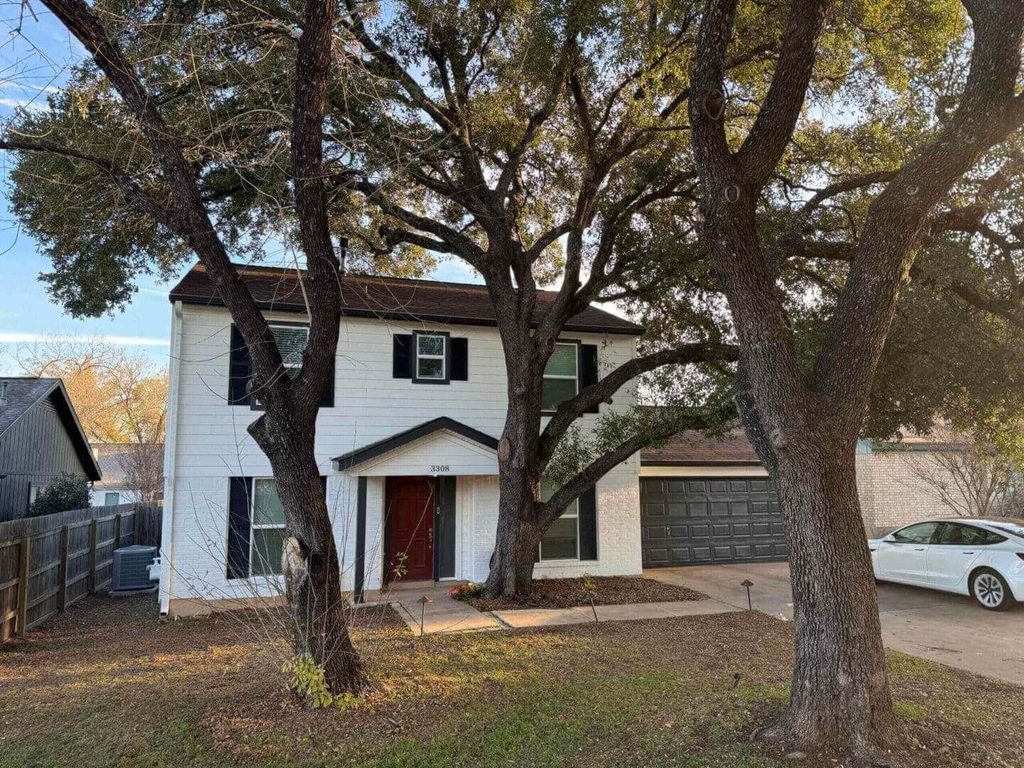
Even a well-installed exterior requires periodic inspection and maintenance. Homeowners can support the results of residential siding installation by monitoring the condition of panels, joints, trim, and surrounding drainage features. Routine exterior reviews are particularly useful after severe weather.
Look for loose panels, unusual gaps, damaged sealant where applicable, and signs of moisture accumulation. Keep nearby vegetation trimmed and direct irrigation water away from the siding whenever practical.
Follow the manufacturer’s recommendations for cleaning methods. Some materials tolerate gentle washing, while others require specific cleaning products or precautions. Addressing small concerns promptly may help prevent more extensive deterioration and preserve the exterior’s appearance.
Frequently Asked Questions
How long does residential siding installation typically take?
The installation timeline depends on the home’s size, material selection, wall conditions, and project complexity. Weather delays and unexpected preparation work can also affect the schedule, so homeowners should request a project-specific estimate.
Which siding material is suitable for homes in Austin?
Fiber cement, vinyl, and engineered wood may all be suitable depending on the home’s requirements. The best choice depends on sun exposure, moisture considerations, maintenance preferences, installation specifications, and budget.
Should old siding always be removed before new siding is installed?
Not necessarily. Some systems allow installation over suitable existing surfaces, but you must first evaluate underlying wall conditions and manufacturer requirements. Removal may be necessary when deterioration or moisture damage requires attention.
How can homeowners evaluate siding installation quality?
Homeowners can examine panel alignment, fastening consistency, trim details, and visible finishing work. They should also ask the contractor to confirm that moisture barriers, flashing, and other concealed components were installed according to applicable requirements.
Conclusion
A well-maintained exterior begins with informed decisions about siding materials, proper installation, and long-term protection. Homeowners in Austin, TX, can benefit from professional guidance when planning exterior improvements suited to local weather conditions. Whether you’re upgrading aging siding or planning a full exterior transformation, understanding your options can make the project smoother.
For help with your siding installation needs, find Genuine Texas Exterior on Google Maps for directions and learn more about professional siding solutions for residential properties in Austin, TX.

Upgrade your roof, siding, or windows with Central Texas’s trusted local experts.