

Table of Contents
- Why Dental Tourism for Implants Looked So Appealing
- What Actually Goes Wrong With Overseas Implants
- Why Patients Are Choosing Local Implant Providers
- The Real Cost of Going Abroad
- What Local Implant Treatment Actually Involves
- The Follow-Up That Makes Implants Last
- When the Cost Difference Still Matters
- FAQs
- Considering Dental Implants in Agoura Hills?
Dental tourism has grown significantly over the last decade. The idea is straightforward: fly to another country, get dental work done at a fraction of the price, and come home with a new smile. For dental implants, which represent a significant investment, the cost difference can look genuinely compelling on paper.
But the conversation around dental tourism for implants has shifted considerably in recent years. More patients are coming home with complications. More dentists are seeing patients who need expensive corrective work after overseas procedures. And more people are doing the math on what dental tourism actually costs when you factor in everything involved.
The result is a growing trend in the opposite direction. Patients who once seriously considered going abroad for implants are choosing to stay local instead. And the reasons go well beyond simple convenience.
Why Dental Tourism for Implants Looked So Appealing
To understand why patients are moving away from dental tourism it helps to understand why it was appealing in the first place.
Dental implant costs vary enormously between countries. In some popular dental tourism destinations the upfront cost of implants can be sixty to seventy percent lower than prices in the United States. For patients facing the prospect of multiple implants or full arch treatment the savings appeared substantial enough to justify the trip.
Add in the marketing from overseas dental clinics, glossy websites, persuasive before and after photos, and package deals that include accommodation, and it is easy to see why patients were tempted. The promise was simple: the same treatment, the same results, at a fraction of the cost.
The reality for many patients turned out to be very different.
What Actually Goes Wrong With Overseas Implants
The problems that bring patients back from dental tourism fall into a few consistent categories.
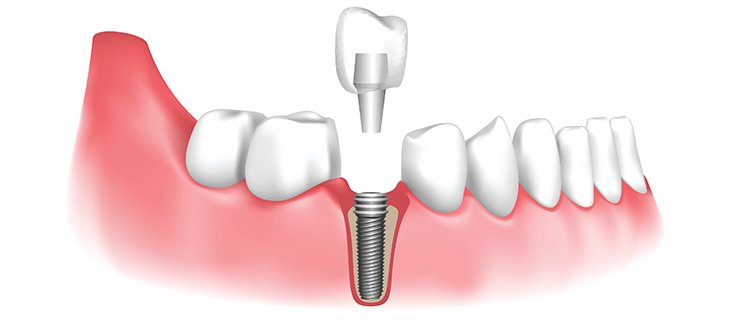
The most common is quality of materials. Not every country that offers dental tourism uses the same implant systems available in the United States. Some overseas providers use implant components that are not available locally, which creates serious problems if something goes wrong after returning home. A local dentist cannot easily obtain replacement parts or compatible components for an implant system they have never worked with. The patient is effectively locked into returning to the original overseas provider for any future work on that implant.
Infection and healing complications are another significant issue. Post-surgical monitoring is critical in the weeks after implant placement. Patients who return home days after surgery are often not in a position to return to the overseas clinic if complications develop. Their local dentist is then left managing a situation they did not create, often with incomplete records and no relationship with the original provider.
Fit and aesthetics problems are also common. Crowns, bridges, and prosthetics fabricated overseas are sometimes made with less precision than patients expect, resulting in restorations that look or feel wrong and are difficult to adjust locally.
And then there is the corrective work. Fixing a failed overseas implant is almost always more expensive than placing the implant correctly in the first place. Patients who went abroad to save money often end up spending significantly more than they would have spent locally once corrective treatment is factored in.
Why Patients Are Choosing Local Implant Providers
For patients across Agoura Hills, Calabasas, Westlake Village, Thousand Oaks, Oak Park, Hidden Hills, Newbury Park, Bell Canyon, and Lake Sherwood, choosing a local provider for implants in Agoura Hills means something specific. It means a relationship with a provider who will be there before, during, and long after the implant is placed.
This continuity of care is one of the most underappreciated advantages of local implant treatment. Your provider knows your dental history. They have your records. They can monitor your healing at every stage and identify issues early before they become expensive problems. If something needs adjusting six months after placement they are a phone call away.
Local treatment also means accountability. A local provider has a reputation in the community to maintain. They have ongoing relationships with patients who can and do refer friends and family. That creates a very different incentive structure than an overseas clinic whose relationship with a patient effectively ends when the patient boards the plane home.
The Real Cost of Going Abroad
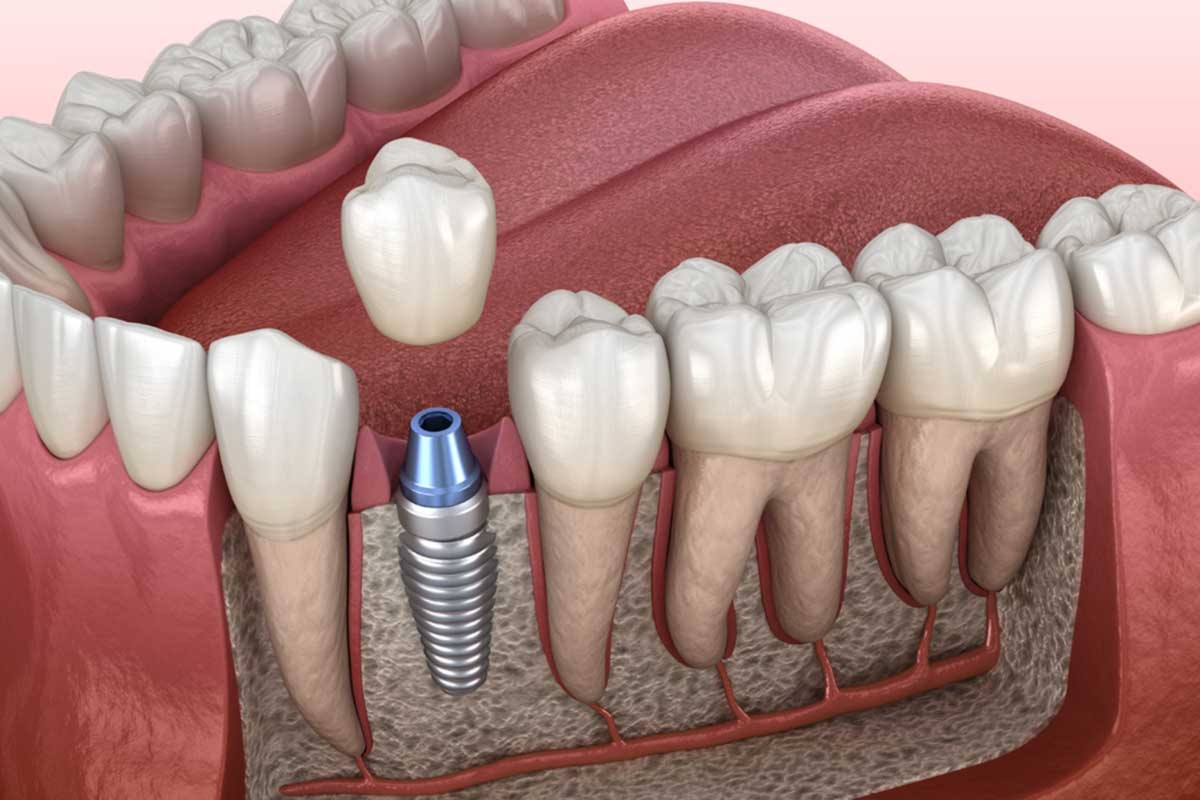
The upfront cost comparison between overseas and local implant treatment rarely tells the full story. Here is what the true cost of dental tourism for implants often includes that patients do not factor in upfront.
Flights, accommodation, and time off work for the initial trip. The cost of a second trip if complications develop or adjustments are needed. The local treatment costs when corrective work is required after returning home. The cost of managing ongoing issues with an implant system the local provider is unfamiliar with. And the stress and uncertainty of navigating a complex medical situation from thousands of miles away.
When all of these factors are included the cost advantage of dental tourism frequently disappears. And for patients who require All-on-4 implants or All-on-6 implants, where the treatment is more complex and the stakes of getting it right are higher, the risk of going abroad is compounded significantly.
What Local Implant Treatment Actually Involves
Modern local implant dentistry has made the treatment process more efficient, more precise, and more comfortable than it has ever been. The idea that going local means a worse experience or a less advanced procedure is simply not accurate in 2025.
State-of-the-art 3D cone beam imaging allows for precise implant planning before surgery begins. Guided implant surgery using digital planning reduces surgical time and improves placement accuracy. Sedation options including IV sedation and twilight sedation make even complex implant procedures comfortable and manageable for patients who feel anxious about treatment.
For patients who need preparatory procedures like bone grafting before implant placement, having that work done locally means the entire treatment sequence is managed by a single provider who knows the full picture. The surgical and restorative phases are coordinated rather than fragmented across providers who have never communicated with each other.
The Follow-Up That Makes Implants Last
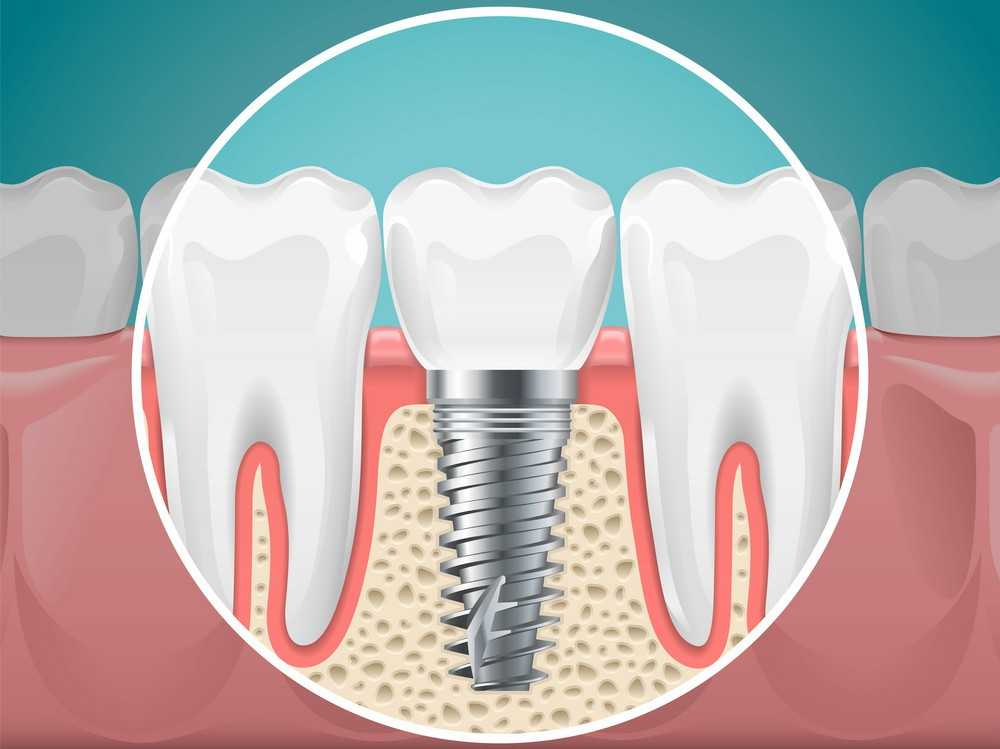
Dental implants are not a set-and-forget treatment. Their long-term success depends on regular monitoring, professional cleaning around the implant margin, and early identification of any tissue changes that could indicate the early stages of peri-implantitis.
This ongoing care requires a relationship with a local provider who knows your case. It cannot be replicated by brief check-ins at an overseas clinic that sees you once and never again.
For patients who invested in implants to solve a problem for the long term, local treatment means that investment is protected by the kind of ongoing professional relationship that makes long-term implant success significantly more likely.
When the Cost Difference Still Matters
Being honest about the cost question matters. Local implant treatment is more expensive upfront than most overseas options. For patients for whom that cost difference is a genuine barrier, there are local solutions worth exploring before considering going abroad.
Many practices offer payment plans and financing options that spread the cost of implant treatment over time. Full mouth restoration cases that involve multiple implants can often be staged over a treatment timeline that makes the financial commitment more manageable. And the long-term cost of local treatment, without the corrective work and complication management that dental tourism often generates, is frequently more favorable than the overseas option once the full picture is considered.

Agoura Advanced Dentistry serves patients across Agoura Hills, Calabasas, Westlake Village, Thousand Oaks, Oak Park, Hidden Hills, Newbury Park, Bell Canyon, and Lake Sherwood. Call now or visit our website to schedule your implant consultation today.
FAQs
Is it safe to get dental implants abroad?
It depends on the provider and the country. The risks include incompatible implant systems, limited post-surgical monitoring, and difficulty accessing corrective care locally if complications develop. These risks are significantly higher than with local treatment.
Why do dental implants cost less abroad?
Lower labor costs, different regulatory standards, and lower overhead costs contribute to the price difference. These same factors can also affect the quality of materials and care provided.
What happens if an overseas implant fails after I return home?
Your local dentist will need to assess and manage the failure, often with incomplete records and unfamiliar implant components. Corrective treatment is almost always more expensive than the original implant would have cost locally.
Can a local dentist fix a failed overseas implant?
In many cases yes, though it depends on the implant system used and the extent of the failure. Accessing compatible components for overseas implant systems can be difficult or impossible in some cases.
Are local dental implants worth the higher upfront cost?
For most patients yes. The continuity of care, accountability, access to follow-up treatment, and reduced risk of complications make local treatment the stronger long-term investment for the vast majority of patients.
Considering Dental Implants in Agoura Hills?
Choosing where to get your implants is one of the most important decisions in the entire treatment journey. A local consultation gives you honest answers about your specific situation, your treatment options, and what the realistic investment looks like before you commit to anything.